
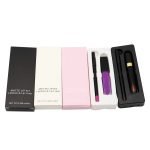
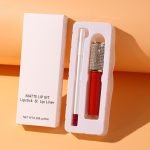
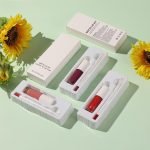
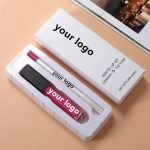
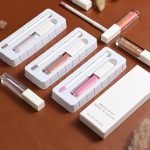
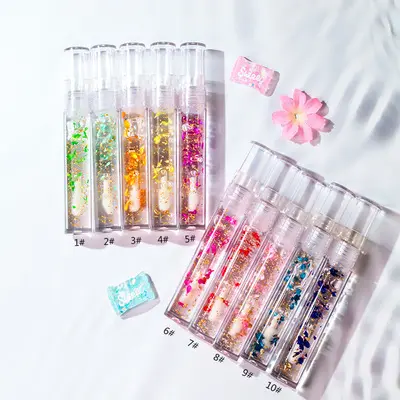
Lip gloss is a must-have in any makeup bag, providing a glossy, shiny boost of color. While the ingredient list can be quite lengthy, it’s essential to understand what you’re putting on your lips. Here, we’ve outlined some common lip gloss ingredients and how they work, so you can make informed decisions about your go-to product.
How to Begin DIY Lip Gloss
If you’re looking to make your own DIY lip gloss at home with all-natural ingredients and customized colors and scents, we have the perfect recipe for you. To create a base, you’ll need castor oil for shine, olive oil for moisture (or grapeseed oil), coconut oil to stretch the lip balm base (or sweet almond oil), vitamin E oil for antioxidant benefits, and shea butter or beeswax to thicken the gloss. You’ll also need measuring spoons, a double boiler, a whisk, and a pipette to add the finished product to small containers. To add fragrance, try using a few drops of essential oils like peppermint, rose, or lavender. For natural color and sparkle, consider adding mica powder or beetroot powder. Once everything is combined, use a pipette to distribute the liquid lip gloss base into your lip gloss containers, and let it cool.
Lip Gloss Preservatives
Preservatives are essential ingredients in cosmetics, including lip gloss, as they extend shelf life and prevent the growth of bacteria, fungi, and other microorganisms. Some commonly used preservatives include parabens, formaldehyde, and phenoxyethanol. While these preservatives can help ensure the safety of cosmetics, it’s important to note that their safety depends on their concentration level and how often they’re applied. Most cosmetics companies use low concentrations of preservatives, and many choose preservatives that have been approved by the FDA for use in cosmetics. If you prefer a preservative-free option, several brands offer natural lip gloss products without any added preservatives or chemicals.
Types of Lip Gloss
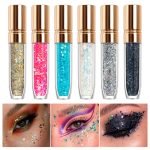
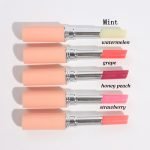
Lip gloss comes in various types, from shimmery to glittery and sheer to moisturizing, each offering unique benefits to improve your look. Shimmery lip gloss adds subtle sparkle and texture, while matte lip gloss offers a velvety texture and opaque color coverage. Glittery lip gloss makes a statement with bold colors and maximum sparkle, while sheer gloss provides a light wash of color with nourishing properties. Tinted gloss offers the perfect balance between boldness and subtlety, and moisturizing gloss keeps your lips hydrated with nourishing ingredients like plant oils, beeswax, and shea butter.
In conclusion, understanding the ingredients in your lip gloss and the different types available can help you make informed choices about the products you use. Whether you prefer store-bought or DIY options, there are plenty of ways to achieve a glossy, shiny, and moisturized
pout.
Main Ingredients of Lip Gloss
Lip gloss gives a shiny finish to the lips and enhances their appearance. But what are the key ingredients that make up this beauty essential? Below you’ll find a list of the most common ingredients used in lip gloss formulas and why they’re used.
Emollients
Emollients are the oils that give lip gloss its signature shiny texture. They can be natural or synthetic and are often presented as lanolin, castor oil, jojoba oil, or polybutene, and vitamin E. Lip glosses tend to lean more towards waxes to help maintain thickness and a slick look. High-quality lip glosses strike a balance between oils and waxes to prevent dripping or smudging.
Coloring Agents
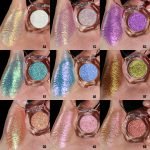
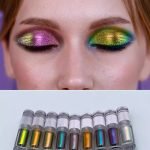
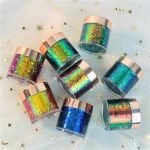
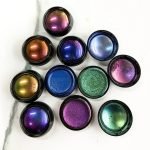
Pigments are added to lip gloss to give it color and tint. Fruit extracts and dyes are commonly used to achieve the desired shade. Mica or Iron Oxide are used to create a glittery look in some glosses. All ingredients used in lip glosses must be approved by the FDA as they are ingested or applied directly to the skin.
Control Agents
Control agents, such as preservatives, antioxidants, and pH adjusters, help maintain the structure of cosmetics over time. They prevent changes in color, texture, or separation. Lip glosses use similar control agents as other beauty products, which can be natural or synthetic. Natural products may avoid preservatives like parabens, but this increases the risk of products expiring sooner, leading to formula changes and unsold products.
Fragrances and Sweeteners
Lip glosses often contain fragrances and sweeteners to give them a pleasant flavor. These can be synthetic or naturally derived from fruit or plant extracts. Synthetic flavors must also be approved by the FDA.
Customization
Not all lip glosses are created equal, and private labeling your own cosmetics line gives you the freedom to customize your formula to meet your needs. By adjusting the levels of emollients, coloring agents, control agents, and fragrances, you can create a unique lip gloss that stands out in the market.
In conclusion, lip glosses are made up of a combination of emollients, coloring agents, control agents, and fragrances/sweeteners. These ingredients can be natural or synthetic and must be FDA approved. Customizing your own formula gives you the freedom to create a unique lip gloss that meets your needs.
Choosing Safe Lip Gloss Ingredients for Healthy Lips
To keep your lips healthy and beautiful, it’s important to avoid certain ingredients. Here are some tips for finding safe, natural lip gloss that will keep your lips glossy and hydrated without exposing you to potentially harmful chemicals.
Avoid These Ingredients
Parabens: These are commonly used as preservatives in lip gloss, lotion, and shampoo, but they can disrupt hormones and have been found in breast cancer tissue. Look for natural preservatives like grapeseed extract or vitamin E instead.
Synthetic Antioxidants: Chemicals like BHA, BHT, and propylene glycol used to prevent oxidation and breakdown can cause skin irritation, hormone disruption, and even cancer. Choose lip glosses with natural antioxidants like green tea or rosemary extract.
Bee Venom: While bee venom can stimulate collagen production and improve skin tone, it can also cause severe allergic reactions. Opt for natural ingredients like shea butter, honey, or cocoa butter instead.
Phthalates: Used as plasticizers in many cosmetic products, phthalates can leach into the bloodstream and disrupt hormones. Choose lip glosses made with natural plant oils like almond oil or jojoba wax ester instead.
How to Safely Use Lipstick
Read the Labels
To ensure that you’re buying safe lip gloss, always read the product label and look for natural ingredients. Choose lip glosses made with natural plant oils, extracts, and preservatives. Avoid products with synthetic ingredients or harsh chemicals.
Check for Expiration
Lip gloss typically lasts for two to three years, but it can go bad sooner if exposed to extreme temperatures or not properly sealed. Check for signs of expiration, such as changes in color or consistency, unpleasant smells, or damaged packaging. If in doubt, discard the lip gloss and buy a new one.
Inhalation Risks
Inhaling lip gloss can be hazardous to your health due to the possible toxins, chemicals, and fragrances present in the product. Short-term inhalation could cause problems such as coughing, throat irritation, and difficulty breathing. Long-term inhalation may lead to respiratory diseases. It is best to avoid inhaling any type of product.
Conclusion
Choosing safe lip gloss ingredients is crucial for maintaining healthy and beautiful lips. Look for natural ingredients and avoid potentially harmful chemicals. Always read the product label and check for expiration. By following these tips, you can enjoy glossy, hydrated lips without compromising your health.fadreo is a private label and OEM cosmetics production factory, we can use the safe ingredients you want for your lip gloss orders