
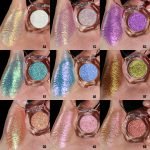
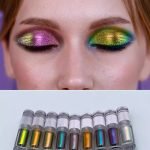
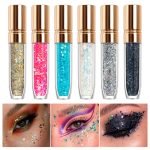
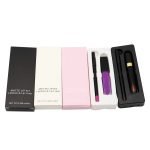
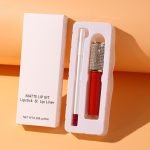
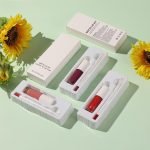
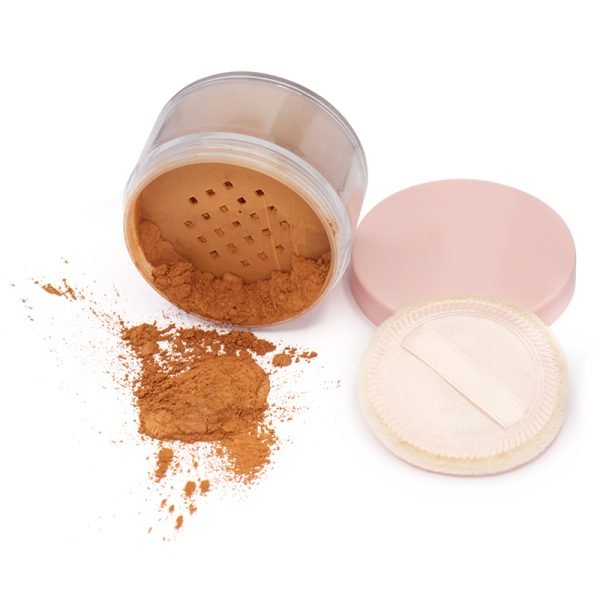
Increasingly cosmetics firms and producers are looking for strategies to adapt to shifting market demands. Some customers have sensitive skin, while others want more natural product components. Talc-free products are a new trend in the cosmetic business.
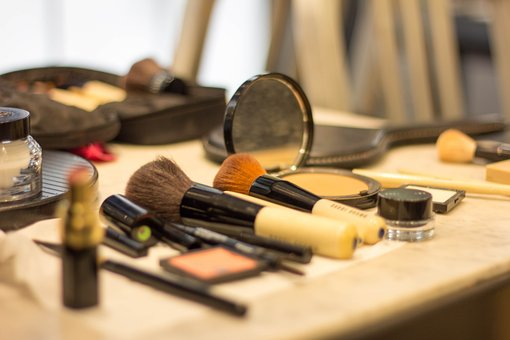
Talc-free cosmetics is rather widespread. In reality, numerous manufacturers sell talcum powder-free goods and gadgets. Is there, however, a scientific foundation to support this consumer need? And, as a producer, should you be producing these cosmetics?
What Is Talc?
Talc is an important element in cosmetics. Talc is a naturally occurring mineral that is mined from the soil. It is made up of silicon, magnesium, hydrogen, and oxygen. Due of its origin, producers and consumers have long been concerned about the powder’s safety in cosmetics, labeling it a problematic component.
Furthermore, since the 1970s, there have been worries concerning the existence of potentially dangerous materials like as asbestos.
Talc Usage in the Beauty Industry
Talc has been used cosmetically for ages. The Egyptians, for example, utilized the mineral to brighten skin. The Chinese, for example, use it to produce comparable face powders with rice starch and kaolin.
Talc is popular because the soft mineral imparts a velvety touch to cosmetics, making it simple to apply to the skin. Also, it may absorb moisture and oils, preventing caking. This increases the transparency of face makeup.
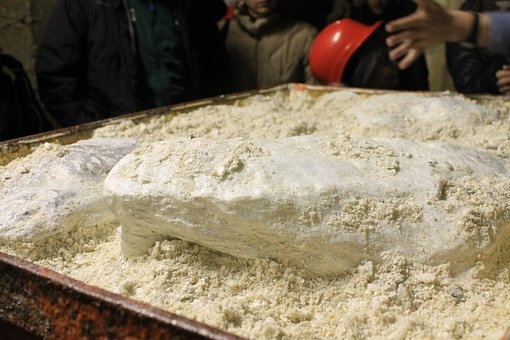
The flour is used by manufacturers in cosmetics like:
- Face powders
- Foundations
- Bronzers
- Eye shadow
- Concealer
- Lipsticks
- Eyeliners
- Moisturizing creams
- Lotions
- Rouge
- Baby powder
- Blush
- Setting powder
Advantages of Talc for Beauty and Skincare
Some of the advantages that make manufacturers use this component in cosmetics include the following:
Combats Odors
The item has deep absorption capabilities, not just for dampness but also for smells. It is why many people use talcum powder to fight smelly clothes and fabric taste and perhaps clean up closets. It is common to find a beauty brand using this to create perfume.
Absorption Capabilities
The flour has high moisture and oil assimilation capabilities. It is why some brands use it to make a sweet focus finishing flour, face primer, and various face products.
Soothing Effects
The component has calming effects, making it perfect for items that shield the skin from environmental stressors and inflammation-inducing practices.
For instance, many consumers use it to cool the skin after shaving or waxing.
Longevity Qualities
The compound has the unique attribute of making many products continue longer. Consumers often apply it before putting on eyeliner or perfume to make it last longer. It acts as a protective surface that seals beauty and works against wetness.
Friction-Free Capabilities
Because of the good particles and uptake elements, the compound provides resistance-independent capabilities. Customers use it to get a better glide when shaving and avoid chafing.
Filling traits
Talc moreover has elements that give a fuller appearance. It is common to find a elegance company using it as a key component for eyelid and eyebrow materials because it makes them look longer and fuller.
The Issues With Makeup Containing Talcum Powder
Breathing Irritation
Case studies of babies inhaling baby powder containing sand show serious respiratory distress as a side impact.
Health literature suggests that the powder can raise lung burden. Ingestion of the metal interferes with the systems that clean lungs and inhibit inflammation.
It has been discovered that sand causes oxidative stress by harming and killing human lung epithelial cells. As a result, exposure can cause respiratory tract diseases that manifest as vomiting and labored breathing.
Asthma, talcosis, and bronchitis can all affect users.
Asbestos and Other Possibly Harmful Ingredients Cause Cancer
Talcs is listed as a natural nutrient containing asbestos that causes human carcinogens by the International Agency for Research on Cancer. Both asbestos and talc are minerals that are found naturally in the universe.
However, the two are close together despite having different diamond structures. So, contamination is a possibility. Mesothelioma contaminants may result from inadequate mining site testing.
Mesothelioma, a tumor of tissue-lining organs like the chest, heart, and lungs, is brought on by exposure to this kind of talc. Talcum is linked to lung cancer because of this.
Additionally, some research points to a connection between cervical cancer and talcum. When Johnson& Johnson’s cherished child powder was linked to asbestos pollution, it became a problem.
HBO Max’s Not So Pretty docuseries, released in April of 2022, further spotlighted its dangers, heightening the concern for talc in makeup.
However, this point remains contended as studies have not conclusively demonstrated the website. For these reasons, the FDA does its own research in the area.
Is Sand Safe in Cosmetics?
On the other hand, some producers choose to avoid sand by creating talc-independent makeup for makeup and beauty enthusiasts with health concerns. Keep reading to discover the best and- independent makeup and beauty models.
But first, here are the options manufacturers are turning to create a sand-free type of elegance.
Common Talc Alternatives In Cosmetic Products
The following are some of the best options for talc. Some of these ingredients actually appear in honor-winning makeup brands ‘products.
Silica
Silica or silicon dioxide is an element found in ample amounts within the earth’s crust as a crystal or a colorless white powder. It is tasteless and odorless.
Some beauty manufacturers use sand instead of talc because it improves the sense and texture of the products. The multiple- functional ingredients offer several functions in makeup products.
For instance, it is an effective absorbing broker that soaks extra oil from the skin. Silica is also an anti-caking and bulking employee.
Some vendors also use it in beauty products, such as eyes shampoos, since it has abrasive qualities.
Zinc Oxide
Zinc oxide is derived from zincite, a naturally occurring mineral. Besides maquillage, zinc is also used in adhesives, adhesives, and other items.
Manufacturers use copper in baby lotions, soaps, feet powders, constitution, and sunscreen. Its properties make it an excellent bulk agent, colorant, and epidermis protectant.
In fact, copper is prominent in sunscreens because it screens UVA and UVB rays of ultraviolet light.
Corn Starch
Many beauty manufacturers use starch in makeup products. It is a vegetable-based compound derived from corn.
Manufacturers use starch to regulate viscosity, including absorbency, and help produce film-forming and skin- conditioning properties in the product.
Manufacturers use cornstarch to produce talc-independent powders. But, the main issue with this natural and brutality-free compound is that it is subject to bacterial growth. But vendors work around it by adding organic preservatives to the products.
Rice Powder/ Starch
Wheat powder or rice starch is ground-up rice. Some cultures used it as a beauty component long before talc.
The component effectively controls organic oils, minimizes cavities, and softens fine lines. It is also a light exfoliant.
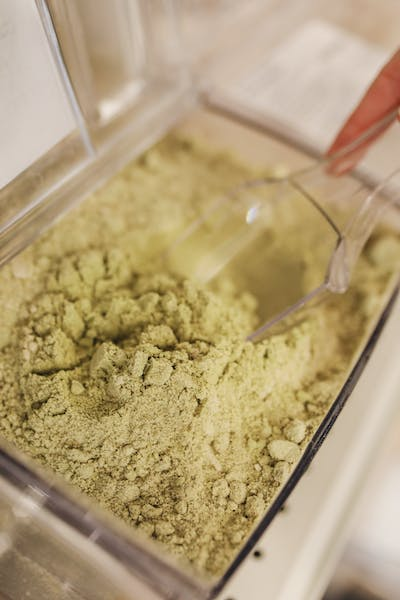
Create up, and skin care products containing wealth flour including encounter scrubs and setting powder. However, the starch is vulnerable to bacterial growth and tends to bread.
Tapioca Starch
Tapioca comes from the plantain plant. Flour is an ingredient in the sand- a complimentary product because it can collect moisture and oil.
Most vendors use it in making various powders for infants and makeup. In addition, tapioca starch can maintain emulsions and make gel textures.
Kaolin Clay
Kaolin sand is also known as china clay or white clay. Some cultures used this compound in constitutional products before manufacturers started using sand.
The sand has a strong ability to absorb extra fuel and make the hair smooth. It also has abrasive properties and may manage clean skin while preventing acne.
On top of these, producers are turning to nourishing products like shea butter and bamboo seed extract to make their products more pure and inclusive.
Oat Flour
Oat is a lasting alternative for its skin protectant and moisturizing properties. In addition, it has calming agents that fight against disease and itch.
Oat flour has revitalizing effects and can even temper skin pH. Manufacturers use the ingredient in beard shampoos and conditioners, granules, foundations, and beauty creams and lotions.
Arrowroot Starch
Arrowroot starch can easily exchange talcs because it has several uses. It can work as a thickener, opacifier, feel enhancer, mattifier, porous, color modulator, and binding agent.
Manufacturers use it in face and feet powders, lotions, creams, deodorants, baby items, body balms, mouth care, facial veils, and hair-care items.
Baking Soda
Sodium carbonate controls the acidity- base balance of cosmetic products. It is an excellent abrasive for sensitive skin, a detergent agent, and an oral care agent. Therefore, it may seem in deodorants, experience scrubs and brain exfoliants, hair care products, and teeth whitening strips.
Many Natural Ingredients for Cosmetics
Shea Butter
Nearly every beauty company uses shea butter in the manufacture of makeup. It is an efficient lotion that protects the skin against environmental reasons. In addition, shea butter has nurturing and healing abilities. Some customers even shop for organic shea butter.
Bentonite Clay
This is an aluminum-based clay found amply in nature. The sand is favored for its effectiveness against allergens on the hair. In contrast, it is an efficient whitening agent.
Bentonite Clay may also absorb higher levels of UV light, making it a major natural component in sunscreens and sun- protective lotions.
Evening Primrose Oil
Like sand, evening primrose oil has soothing properties that hydrate clean, thick hair. The fuel can be found in skincare tailored to consumers with skin problems such as dermatitis and eczema.
Licorice Root Extract
This component is a natural hair- lightening agent that helps with odd voice, melasma, and hyperpigmentation. It may therefore emerge in beauty products and beauty that help with these conditions.
Lavender Oil
Lavender oil has a wonderful fragrance, so it is used instead of artificial fragrances. In contrast, it can repair skin, calm sunburns, and reduce psoriasis.
Algae
Because of its pro- aging qualities, alga is a top organic ingredient for skin care products. It may trap moisture and inhibit skin oxidation pressure. The organic ingredient also has nutritious minerals that keep the skin younger and more practical.
Tea Tree Oil
Because of its antibacterial and antimicrobial features, tea tree oil appears in green face wash products and hair- soothing remedies for bacterial infections and mosquito bites.
Talc Free Makeup Brands For Sensitive Skin
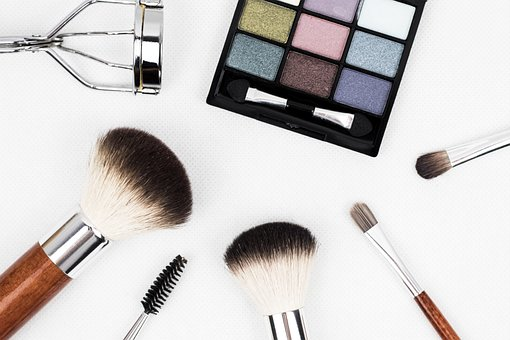
The introduction of sand- complimentary makeup manufacturers is based on the potential harm of the powder. While there is no hard data that sand products contain mesothelioma and other potentially harmful products, some brands are avoiding the product to cater to people with sensitive skin and concerns about sand pollution.
Talc- free makeup usually uses the above components in place of talc. In addition, it is not uncommon to find probably the greatest sand- independent makeup models using natural components such as coastal foliage, shea butter, and other natural or veggie and cruelty- free ingredients.
In contrast, most vegan and cruelty- independent makeup brands that avoid sand also avoid preservatives, synthetic fragrances, and carbon black. Instead, they choose components that only undergo organic chemical changes, such as cold control and natural processes.
Most times, a cruelty- complimentary makeup brand is strong on avoiding sand to provide a elegant routine that caters to everyone. Some even use a table- certified dermatologist to make products that nourish and care for the hair.
Going Talc Free?
Whether sand contains asbestos, preservatives, or other harmful substances remains unknown. Despite several studies, there is no hard proof that the material causes the above symptoms and complications.
But since more consumers focus on clear and truthful beauty, manufacturers and brands are turning to sand- independent makeup products to respond to the growing population. The same applies to vegan and cruelty- independent elegance.
Actually, manufacturers pursue the effort, the above components are some of the best talc- free alternatives for cosmetic and beauty products.